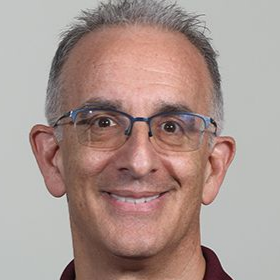
Another round of closures and consolidations is in the works for Pinellas County schools.
The reason couldn’t be more clear, Superintendent Kevin Hendrick said: “We have fewer kids and we know it, and it’s not going to change.”
In the spring, the school board approved shutting down Cross Bayou Elementary and Disston Academy, with plans to merge Bay Point elementary and middle, convert a wing at McMullen Booth Elementary into preschool space and use empty classrooms at Oldsmar Elementary for middle school grades.
On Thursday, district officials held three forums aimed at gathering information for the next steps in the downsizing.
Something more must be done if the district is to continue its positive academic performance, Hendrick told an audience of about 50 attending a presentation at Boca Ciega High School.
“How do we keep that going when we have 45,000 vacant seats in our schools?” Hendrick said, suggesting the district cannot afford to continue running half-filled buildings given rising costs and state revenue that doesn’t keep pace with inflation.
Rumors about what those steps might be have already started swirling, but Hendrick dismissed the chatter.
“Obviously we’ve been talking about it,” he said in an interview. “But I don’t have a list to share.”
Rather than just announce a plan, he said, the district needs to hear residents’ views on the possibilities. Someone might think of something staff hadn’t contemplated, after all.
With the potential changes being so widespread, not everyone will walk away happy. So at the very least, Hendrick said, his team wants to ensure that it’s clear in its reasoning and transparent in explaining all the options.
“We won’t put out any recommendations until we have all the input and feedback,” most likely in late August or early September, Hendrick said. The goal is to have everything solidified before families apply for school choice in January.
Even without specifics, officials have made clear some principles that will guide the thinking.
They don’t plan to close high schools. They don’t want to provide families with options less attractive than their current situation. They hope to find compromises that create the least disruption possible.
That means looking at issues such as whether families are willing to trade services for school size, for instance. If they want more small schools, as an example, that might mean cutting course offerings, activities or nonrequired staff positions in order to fit within the district’s financial capabilities.
The state has projected Pinellas enrollment to drop by about 3,800 more students in the fall, which would mean millions less in available revenue.
If families are interested in keeping larger schools with more services, by contrast, that would likely mean closing and consolidating campuses, relocating programs or bringing in partners to use empty space. The result could lead to combined elementary-middle or middle-high schools, or large magnets without traditional neighborhood zones.
One possibility already in discussion is sharing a school in north Pinellas with the Suncoast YMCA, which won a $1 million allocation from the state this spring toward a “co-located facility” with the district similar to Mangrove Bay Middle in St. Petersburg.
Hendrick told the audience that multiple factors would come into play, and that enrollment alone is not a single driving force. Other considerations will include a building’s age, its location and program needs.
For instance, Gibbs High School sits at about 46% capacity, but it also has a specialized auditorium and practice rooms for its performing arts magnet that no other school has. “And we’re not building another one,” Hendrick said.
To gauge community thought about such concepts, the district is emailing a survey to all families with children attending, as well as posting the survey on its website.
People in attendance, including students, parents, teachers and civic leaders, said the presentation made clear the need to act.
“It was depressing seeing the numbers,” said Jennifer Yellen, who came with a contingent of Gulfport residents interested in seeing how they can preserve and protect schools in their city. “I can understand why they want to close some schools.”
Yellen said Hendrick proposed several good options to make the best use of space, though she did not support the idea of a combined middle-high school.
Emmanuel Pastrana, a rising ninth grader at Boca Ciega, agreed. He came out to hear about the future of his school.
“I don’t think it’s a good idea to share middle school with high school,” he said, raising concerns about having little sixth graders in the same place with nearly adult high school seniors.
Gulfport City Council member Jennifer Webb said she hoped the district would work with the city to have strong education choices. There’s been interest in creating a K-8 campus, she said, allowing middle schoolers to stay closer to home rather than being bused about 6 miles north.
“The more we throw our city’s support into our schools, the better our families will fare,” Webb said, adding that she’s seen more young children in the area lately.
Hendrick said he looked forward to reviewing all the feedback. Another set of meetings is scheduled for 6 p.m. Wednesday at Dunedin, Pinellas Park and St. Petersburg high schools.
The Tampa Bay Times Education Hub reports on Florida’s schools and universities and the students they serve. You can contribute to the hub through our journalism fund by clicking here.