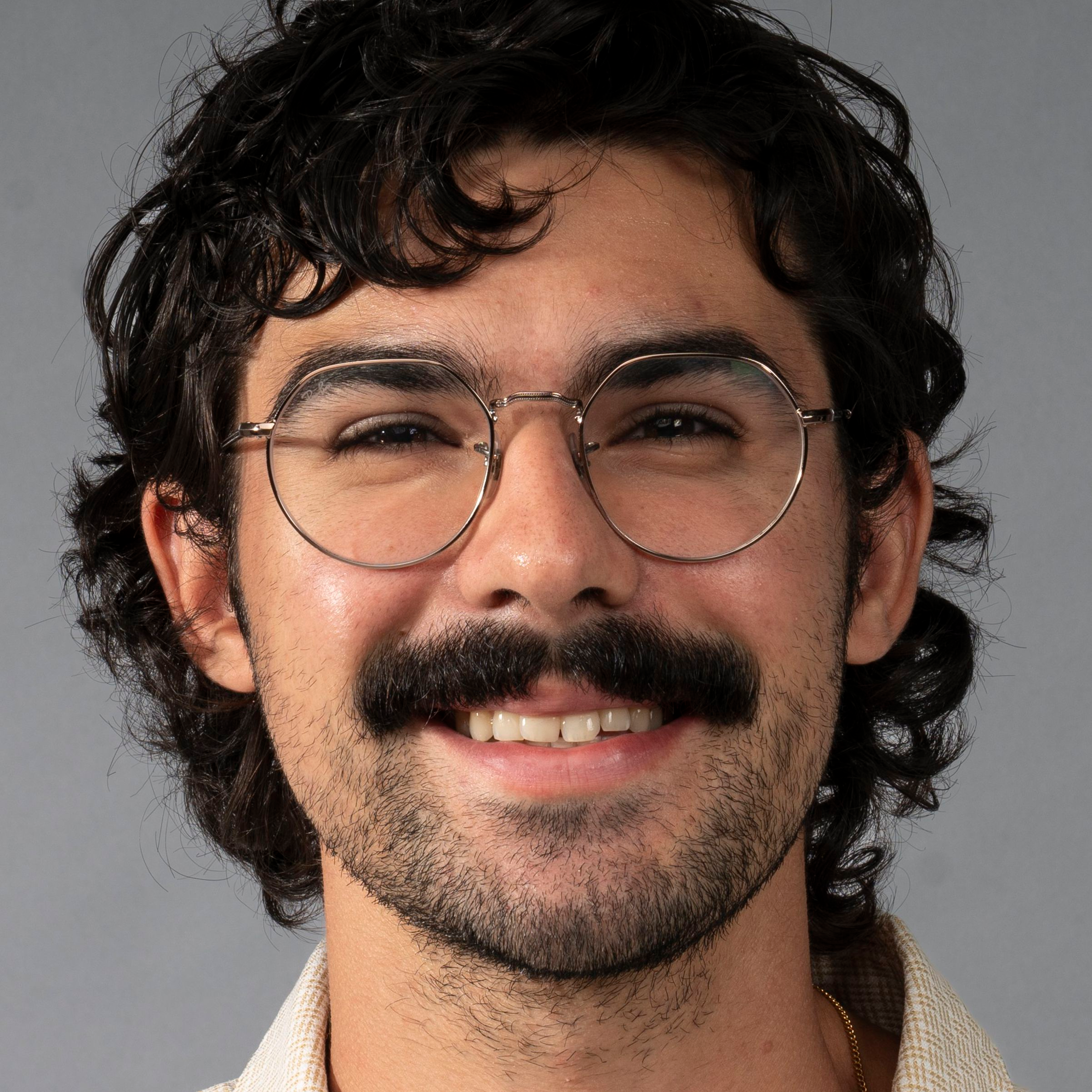
By nearly every metric, Efrain Martinez is Clearwater’s heavyweight champ of stormwater drain cleanup.
At a recent ceremony for the city’s new neighbor-led program to remove blockages that can worsen street flooding, the mayor presented him with three awards. Martinez holds the titles for most pounds of trash dislodged and most neighbors recruited to the program, and he’s tied for the highest number of drains adopted.
Less than two days later, Martinez was back to work.
On an unusually cool October morning, Martinez started on his long list of projects: fixing up an old “dragster” motorcycle, getting his home prepped for new carpets and landscaping the yard. He had been up since 4:30 a.m. As the sun climbed higher overhead, he put on thick work gloves and reached for a plastic bin with a small rake and a long tool with a claw at the end.
Martinez has maintained the drain nearest his house for 20 years — long before the city asked for help. When he heard about the program, he took two more into his care.
“It’s good for the neighborhood. This used to look like crap when you drove by, but now, you know, it adds some beauty,” the 68-year-old said as he plucked leaves and sticks from one drain. “Now that they’re clean, everybody’s happier.”
Neighbors have pledged to maintain nearly 70 drains since Clearwater’s “Adopt-a-Drain” program started in January. Those folks have logged 110 pounds of trash and debris collected from storm drains into a city portal, though staff thinks the actual number is much higher.
Their hard work helps keep rainwater flowing in places where clogs could harm people and property during heavy rains, thunderstorms and hurricanes. The program is meant to supplement maintenance already done by the city’s public works staff but has taken on renewed importance as a statewide ballot question on whether to slash property taxes looms, neighbors said.
With Amendment 3 passing, Clearwater stands to lose $20 million in revenue that goes toward essential services over the next two years, a city memo estimates.
But when the city first asked for residents’ help clearing debris, many people didn’t get it, both Martinez and city staff acknowledged.
“That’s the city’s job. That’s what our taxes are for,” Martinez recalled neighbors telling him.
Then hurricanes Helene and Milton struck in 2024. The drain that Martinez took meticulous care cleaning sucked up floodwaters, while neighbors saw others clog and water creep up to their front doors.
“When I go out there now, people beep the horn. ‘Hey, thanks for doing it.’ Everybody knows you in the neighborhood,” he said. “They see me out there. I’m not no weirdo no more.”
On the Clearwater Main Library rooftop during last week’s volunteer awards, Mayor Bruce Rector thanked the drain adopters for their hard work.
“That water is the most important part about living here,” he said, pointing toward the sunset. “We have to protect the water, and so where do we start protecting the water? We start in these neighborhoods with these drains.”
“If we all just get involved, like you all have to adopt one drain at a time, we can keep this the most beautiful place in the world,” Rector added.

The mayor and city staff also presented a handful of awards to Martinez and others. Neighbors are encouraged to name their drains as part of the adoptions, and the best ones were recognized at the library event.
Among the winners were celebrity puns including “Drainiffer Lopez” and “Kim Kardrainian.”
Behind all the fun is a very real battle the city faces, said Clearwater sustainability manager Cassie Cordova.
The city has identified 5,500 stormwater drains on quiet, neighborhood roads that are safe for residents to adopt, but there are more than 10,000 total citywide.
“We just can’t get to every single drain on a regular basis,” Cordova told the Tampa Bay Times. “As much as the city would love to be responsible for every single drain, it’s just not feasible.”
Clearwater’s drain program was inspired by an earlier one that asked residents to paint and maintain their neighborhoods’ drains. The artistic component was dropped, in part to avoid drawing the ire of the state government following a crackdown on murals and street art, Cordova said.
Martinez, the city’s top volunteer, pointed to another way the state could make it hard for local governments to keep up their essential services.
“Now they’ve got this amendment coming up, and if that passes, there’ll be a lot of cuts,” he said. “This is where, maybe, people go back to the day, like in the ’60s, where you didn’t depend on government; you maintained your own neighborhood.”
Still, Martinez said, he voted “yes” on Amendment 3 after his property taxes climbed to $4,000 this year.
Martinez doesn’t mind pitching in and hopes to persuade more neighbors to help their community. He’s also not afraid of a dirty job. He’s worked a series of odd ones over his career — as an underwater welder, a private security bouncer and an orchid farmer.
But the gig that most prepared him for his service as a volunteer drain cleaner involved wading through St. Petersburg’s sewers deep underground.
Martinez worked as a “sewer jumper” for a six-month stint in the late 1990s, where he monitored water levels and backups in St. Pete’s sewage systems. He wore a harness like one that tethers a rock climber to a cliff’s edge. At the other end was a crane that lowered him beneath the city streets, ready to pull him to safety at a moment’s notice.
It was a dangerous job, Martinez recalled, where alligators or rushing water lurked in the dark.
By comparison, burrowing up to his elbows in weeds and trash is easy, he said. And the payoff in keeping his home and others safe from floodwaters is well worth the hour a week he spends volunteering.
“I know they’re just drains,” Martinez said. “It does make a difference. It helps everybody.”
• • •
The Tampa Bay Times launched the Environment Hub in 2025 to focus on some of Florida‘s most urgent and enduring challenges. You can contribute through our journalism fund by clicking here.